Places along the way
A little history
behind every stop.
From gold-rush towns and railroad cities to ski hills, public lands, and monuments, each destination carries a story that began long before this family arrived.
01 · March 7 · ColoradoDenver
At the meeting of Cherry Creek and the South Platte River, Denver grew from gold-rush settlements founded in 1858. Denver and neighboring Auraria consolidated in 1860, and rail connections arriving in 1870 helped turn the young city into the region’s commercial center.
Explore Denver’s history ↗02 · March 7 · ColoradoRed Rocks Park & Amphitheatre
This 738-acre park occupies the dramatic transition between the Great Plains and the Rocky Mountains. Civilian Conservation Corps crews shaped the amphitheatre between 1936 and 1941; it opened on June 15, 1941, and became a National Historic Landmark in 2015.
Read the official history ↗03 · March 7 · ColoradoLookout Mountain
Rising directly above Golden, Lookout Mountain became part of the region’s early mountain-park story and remains a natural balcony over the plains. Its preserve now connects the Lookout Mountain Nature Center with the historic Boettcher Mansion.
Visit Jefferson County history ↗04 · March 7 · ColoradoGolden
Golden began in 1859 as a trading post during the Pike’s Peak Gold Rush. It was incorporated as Golden City in 1871 and shortened its name to Golden the following year, preserving a compact historic center beside Clear Creek.
Explore Golden’s history ↗05 · March 8 · ColoradoWinter Park
Winter Park opened on January 28, 1940, as a winter-sports center created by the City and County of Denver. It has since become Colorado’s longest continually operated ski resort, growing from a modest public ski hill into a major mountain destination.
Read the resort history ↗06 · March 9 · ColoradoArapahoe Basin
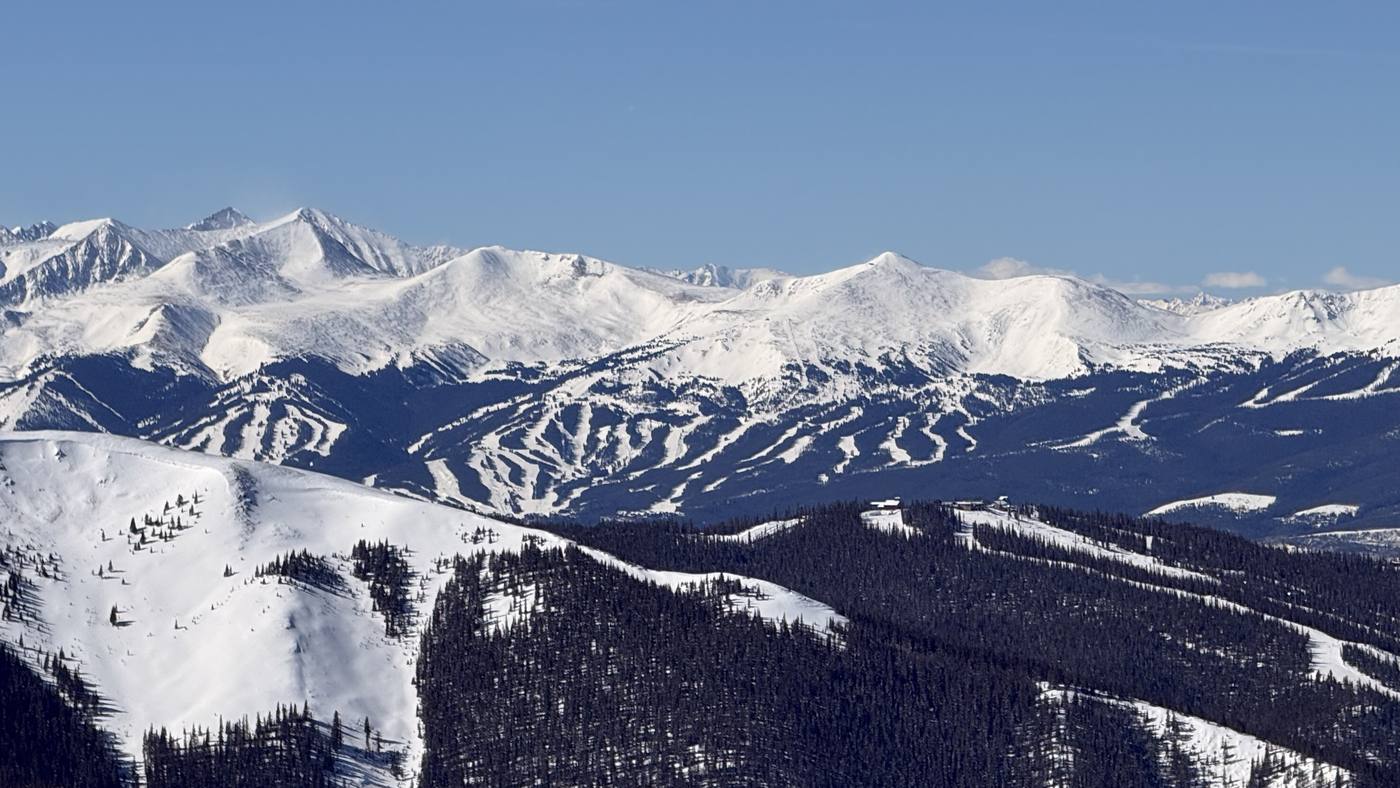
Arapahoe Basin opened in 1946 through the efforts of ski racers and World War II veterans Larry Jump and Sandy Schauffler. The hand-built operation was Colorado’s first new ski area after the war and remains the oldest ski area in Summit County.
Read A-Basin’s history ↗07 · March 10 & 14 · WyomingCheyenne
Cheyenne began in 1867 after the Union Pacific Railroad selected the site for its expanding transcontinental route. The settlement grew so quickly that it earned the nickname “Magic City of the Plains” and soon became Wyoming’s capital.
Explore Cheyenne’s history ↗08 · March 11 · ColoradoEstes Park
People have traveled through this mountain valley for thousands of years, with Ute and Arapaho families using it seasonally long before permanent settlement. The modern town developed into the eastern gateway to Rocky Mountain National Park.
Read the valley’s history ↗09 · March 11 · ColoradoRocky Mountain National Park
Established in 1915 after a long campaign led by naturalist Enos Mills, the park protects glacier-shaped peaks, valleys, forests, and alpine tundra. Civilian Conservation Corps crews added many roads, trails, and buildings during the 1930s.
Visit the National Park Service ↗10 · March 13 · WyomingSnowy Range
The ski area opened in 1960 as Medicine Bow Ski Area and was later renamed Snowy Range. Set within Medicine Bow National Forest, its compact slopes rise from 8,798 to 9,663 feet beneath the higher peaks of the range.
Explore Snowy Range ↗11 · March 13 · WyomingAbraham Lincoln Memorial Monument
Wyoming commissioned sculptor Robert Russin’s monumental bronze bust in 1959 for the 150th anniversary of Lincoln’s birth. It originally marked the highest point on the old Lincoln Highway before moving to its present I-80 summit setting.
Learn about the monument ↗12 · March 14 · WyomingCurt Gowdy State Park
The park was established in 1971 as Granite State Park around the Granite and Crystal reservoirs, then renamed for Wyoming broadcaster and outdoorsman Curt Gowdy. Its trails cross ancient Sherman granite, with the park expanding substantially in 2005.
Visit Wyoming State Parks ↗